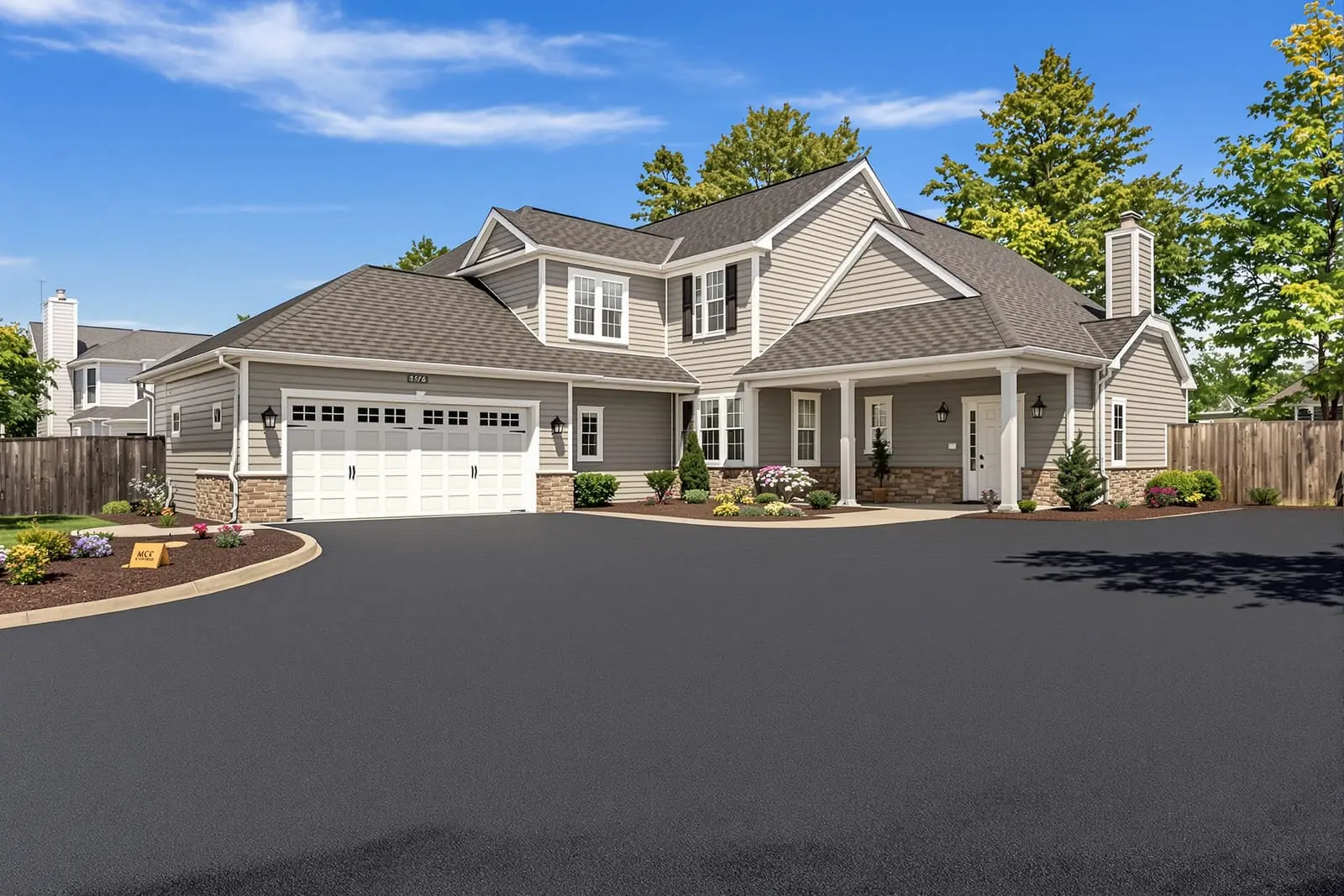
Upgrade dusty, muddy lots with commercial gravel to asphalt conversion in Pittsburgh, PA. We correct grades, compact bases, and pave with quality asphalt for cleaner parking and easier maintenance. Ideal for small businesses, churches, and industrial sites.
Prestige Asphalt Pittsburgh provides professional commercial gravel to asphalt throughout Pittsburgh, PA and the surrounding area. Our licensed, insured crew delivers safe, clean, on-time work with a free estimate before anything begins. Call (412) 561-9577 or request your free quote.
Commercial Gravel-to-Asphalt Conversions in Pittsburgh
Loose gravel might have worked when your lot was small or traffic was light, but once you are dealing with customers, delivery trucks, or employee traffic, gravel becomes a liability. Prestige Asphalt Pittsburgh specializes in commercial gravel-to-asphalt conversions that turn dusty, rutted stone lots into durable, striped asphalt surfaces that meet commercial expectations.
We focus specifically on the needs of businesses in the Pittsburgh area. That means planning for freeze-thaw cycles, heavy snow loads, and the mix of car and truck traffic common around warehouses, retail centers, apartment complexes, and industrial yards. Our crews are used to working in tight urban sites as well as large suburban parcels, coordinating with your operations so access is maintained as much as possible.
A proper commercial gravel-to-asphalt conversion is not just paving over stone. It starts with evaluating the existing gravel depth, drainage patterns, and subgrade strength, then designing an asphalt section that matches how your property is actually used. Prestige Asphalt Pittsburgh handles the whole process in-house, from grading and base stabilization to final line striping and traffic control planning.
Site Evaluation and Planning for Gravel-to-Asphalt
The most important work on a commercial gravel-to-asphalt project in Pittsburgh happens before the first load of asphalt arrives. Prestige Asphalt Pittsburgh starts with a detailed site walk. We look for standing water after rain, soft spots where trucks sink, ruts and washouts, and any signs that the existing gravel base has been contaminated with mud or organic material.
We typically core or probe the surface to see how deep the gravel layer is and where the native soil begins. In many older lots around Pittsburgh, we find a patchwork of stone depths because material was added over the years only where it looked bad. That creates weak zones once you pave. Our crews map those inconsistencies so we can correct them during grading.
Drainage is a major focus. We determine where storm water currently goes, then decide if we can work with that pattern or need to adjust grades and add swales or drains. Pittsburgh properties on slopes, cut into hillsides, or near retaining walls often need special attention so water does not run against buildings or freeze across drive lanes. During planning, we also verify access points, turning radii for delivery trucks, dumpster pads, and ADA routes so the new asphalt layout supports your daily operations instead of fighting them.
Base Preparation, Stabilization, and Drainage Improvements
Converting gravel to asphalt for commercial use comes down to one thing: the base. Prestige Asphalt Pittsburgh treats base prep as the backbone of every project. We begin by shaping the existing gravel, then removing soft or contaminated material. If the stone depth is insufficient, we import and compact additional aggregate to reach the required thickness for your traffic load.
On many Pittsburgh commercial sites, native soils have a high clay content, which holds water and pumps under traffic. When we encounter this, we may use larger graded aggregate as a bridging layer, install a geotextile fabric to separate stone from soil, or even cement-stabilize specific problem areas. These measures keep the base from squishing and reduce the risk of future cracking and depressions in the asphalt surface.
Next, we fine grade the lot to create positive drainage. That can include creating a gentle crown in the center of wide lots or pitching surfaces toward catch basins. If the existing gravel lot has chronic ponding, we address it at this stage by adjusting elevations or installing new drains. Compaction is verified using proper equipment and methods, not just one or two passes with a roller. For heavier commercial use, such as loading docks or bus parking, we may recommend a thicker base and asphalt structure in those load zones to prevent rutting.
Asphalt Mix Design, Paving Process, and Thickness Options
Once the base meets our standards, Prestige Asphalt Pittsburgh selects an asphalt mix that fits your specific commercial gravel-to-asphalt conversion. For most commercial lots in the region, we use a state-approved binder and wearing course sized for the expected traffic and local temperature swings. In high-traffic or truck-heavy areas we often recommend a stronger binder course mix with a thicker mat to handle the stress.
A typical commercial gravel-to-asphalt conversion might use 2 to 3 inches of binder course and 1.5 to 2 inches of surface course, but we do not use one standard section for every job. Light retail or professional office parking lots can often use less thickness than a trucking terminal or industrial yard where fully loaded trailers are turning. We review these details with you so you understand what you are paying for and why.
During paving, we use self-propelled pavers to get consistent mat thickness and smooth transitions. Joints are staggered and properly compacted so you do not end up with weak seams that crack early. We also pay attention to tie-ins at public streets, existing concrete aprons, garage entries, and manholes, which is important in Pittsburgh where many commercial sites have older infrastructure at the edges. After compaction, we typically recommend waiting at least 24 hours before opening the surface to regular traffic, longer for heavy truck use if temperatures are cooler.
Cost Drivers, Scheduling, and Pittsburgh Weather Considerations
Commercial gravel-to-asphalt conversions in Pittsburgh vary in cost because every lot starts in a different condition. The biggest drivers are base repair, added stone, total asphalt thickness, drainage improvements, and site access. A large, open lot with decent existing gravel can sometimes be converted more economically than a small, tight site that needs extensive excavation and new drainage.
Existing utilities and structures also affect price. If catch basins need to be rebuilt, if we have to adjust manholes, or if there are retaining walls to protect, that work is factored into the estimate. We are clear about these items up front so you know where your money is going. Prestige Asphalt Pittsburgh provides itemized proposals that separate base work from asphalt thickness and accessories like wheel stops, bollards, and line striping.
Timing matters in Pittsburgh because of our climate. The best window for commercial gravel-to-asphalt conversions is typically April through early November, with May through September offering the most reliable temperatures for compaction and curing. Spring and fall can work, but we watch nighttime lows closely. If asphalt cools too fast during installation, density suffers and the pavement will not last as long. We help you schedule work around your busy periods, and when necessary, we phase projects so part of the lot remains open for customers or tenants.
What Pittsburgh Property Owners Should Decide Before Converting Gravel
Before you hire a contractor for a commercial gravel-to-asphalt conversion, there are a few decisions to make. First, clarify how the lot will be used for the next 10 to 15 years. Will you add more delivery trucks, expand outdoor storage, or upsize dumpsters or recycling areas This information lets Prestige Asphalt Pittsburgh design base thickness and asphalt layers to match your future use, not just your current load.
Second, decide how you want to handle drainage, snow removal, and maintenance. In Pittsburgh, plow operators can be tough on pavement edges and curbs. We often recommend reinforced areas at plow stacking zones and clear striping layouts that make winter operations smoother. Thinking about where snow will be pushed and where meltwater will drain helps avoid icy spots that frustrate tenants and customers.
Finally, consider your phasing and access needs. Retail centers may prefer night or off-day work. Industrial facilities might need temporary stone lanes or alternate access for trucks. We discuss realistic timelines and traffic control in advance so you are not surprised the week of the project. Prestige Asphalt Pittsburgh can also bundle sealcoating and restriping plans so you have a full maintenance roadmap for the years after your gravel becomes a finished asphalt lot.
“
Professional commercial gravel-to-asphalt conversions, done right the first time, quality materials, honest pricing, and results that last.
Prestige Asphalt Pittsburgh
Commercial Gravel-to-Asphalt Conversions Across Our Service Area