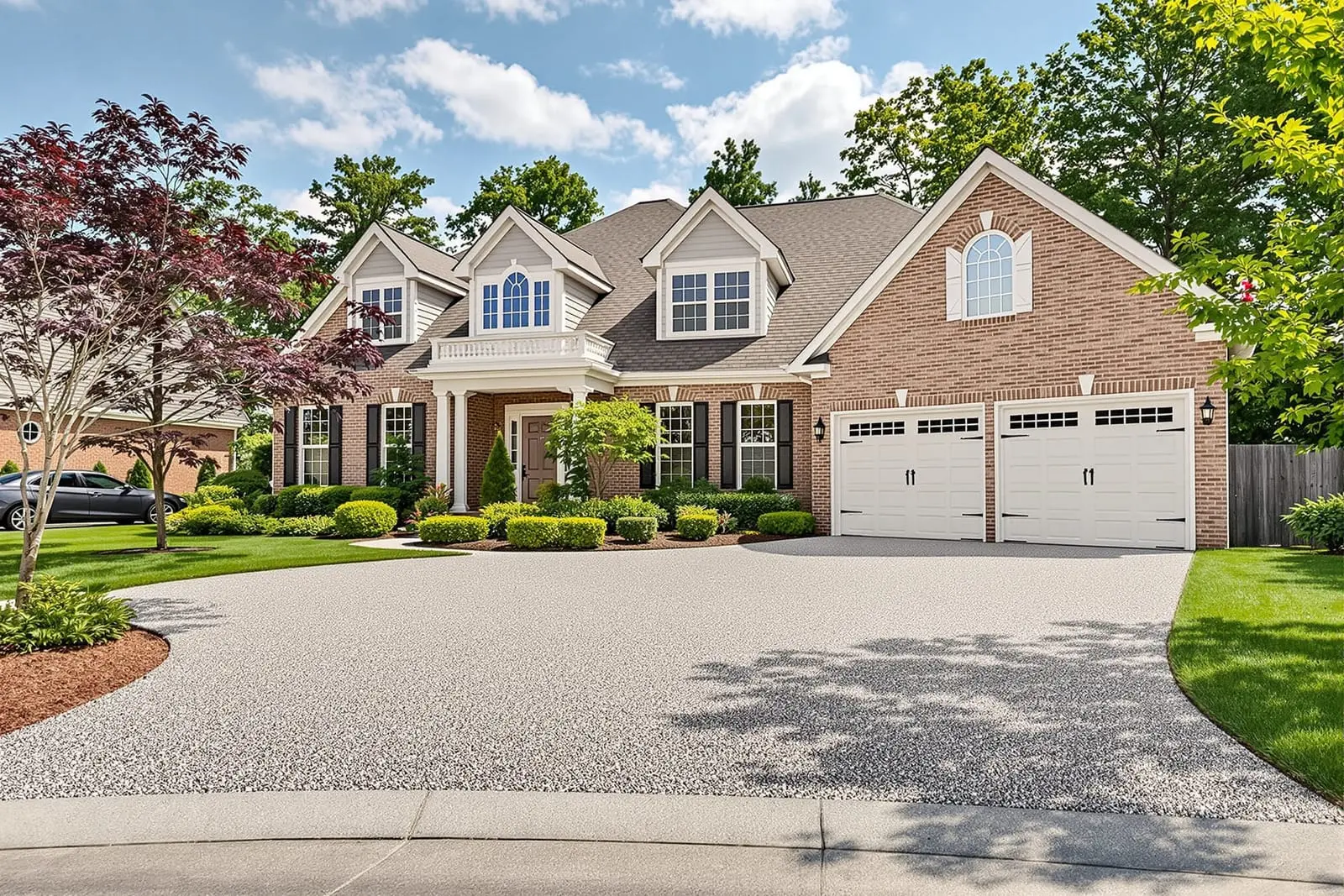
Tired of dust, mud, and ruts in your gravel drive. Our gravel to asphalt conversion in Pittsburgh, PA upgrades your driveway with a solid base and smooth blacktop. We regrade, compact, and pave so you get a cleaner look, easier snow removal, and less maintenance.
Prestige Asphalt Pittsburgh provides professional gravel to asphalt conversion throughout Pittsburgh, PA and the surrounding area. Our licensed, insured crew delivers safe, clean, on-time work with a free estimate before anything begins. Call (412) 561-9577 or request your free quote.
Turn Your Gravel Driveway Into a Clean, Solid Asphalt Surface
If you are tired of ruts, dust, and mud on your gravel driveway, a gravel to asphalt conversion can make your property easier to live with every single day. Prestige Asphalt Pittsburgh specializes in turning loose gravel areas into smooth, durable asphalt driveways and parking pads that stand up to Western Pennsylvania weather.
In Pittsburgh, we see the same issues over and over with gravel driveways. Heavy freeze-thaw cycles, steep hills, and clay soils cause ruts, washouts, and potholes after just a few storms. In winter, plowing gravel is frustrating and often tears up the surface. In summer, dust and loose stone are rough on vehicles and can track into garages and homes. Switching to asphalt is not just about looks, it is about function, drainage, and maintenance costs over time.
When Prestige Asphalt Pittsburgh handles a gravel to asphalt conversion, we are not just “paving over” what you already have. We evaluate how the gravel has been performing, where water is running, where it pools, and how the base responds when loaded with vehicles. A proper conversion is really a small construction project under the surface, and that is where the long term value comes from.
Our Step-by-Step Gravel to Asphalt Conversion Process
A strong asphalt driveway or parking lot starts with the base, especially when converting from gravel. Here is how Prestige Asphalt Pittsburgh typically approaches a gravel to asphalt conversion in this area.
First, we walk the site with you. We look at vehicle patterns, any tight turns, slopes, and where water is flowing. We mark utilities and note trees, retaining walls, and any structures near the work zone. If there are soft spots or deeply rutted areas, we probe and dig test holes to see how thick the existing gravel layer is and what kind of soil is underneath.
Next, we strip and regrade. We push aside loose gravel, cut down any high spots, and remove organic material, mud, or unsuitable fill. In some Pittsburgh neighborhoods, especially older properties, we still find cinder or ash layers under the gravel. These materials hold water and must be removed or stabilized, not paved over.
Then we build or correct the base. Depending on what we find, we bring in crushed limestone (typically 2A or similar) and compact it in layers with a vibratory roller. We aim for a finished stone base of 4 to 8 inches for residential driveways, thicker for areas that will see delivery trucks or trailers. Every pass of the roller is checked so the stone locks up tight and does not move underfoot.
Drainage adjustments come next. If needed, we shape a gentle crown down the center of the driveway so water sheds to the edges, cut shallow swales, or install a simple French drain along a problem edge. On steeper Pittsburgh hillsides, we may recommend a trench drain near the garage or a small curb edge to keep runoff from racing straight into the building.
Finally, we pave. For most gravel to asphalt conversions, we install a binder course and then a finer top course. A typical residential conversion might use 2 to 3 inches of compacted base/binder asphalt plus 1.5 inches of compacted surface mix. Our crew uses heated paving machines, not just hand spreading, so the mat is uniform. The surface is compacted with steel drum rollers while the asphalt is still at the right temperature, which is critical with our cooler shoulder seasons in Pittsburgh.
Design Choices: Thickness, Layout, and Mix Options
A good gravel to asphalt conversion is tailored to how you actually use your space. Prestige Asphalt Pittsburgh helps you make a few key decisions that affect both performance and cost.
Thickness and structure come first. If your driveway only sees passenger cars, we can often use a slightly thinner structural section than a driveway that routinely carries work trucks, campers, or delivery vehicles. In areas with softer subgrade soils, which are common in parts of Allegheny County with high clay content, we may recommend reinforcing fabric between the soil and base stone or an extra few inches of aggregate to spread loads.
Layout adjustments can solve daily annoyances at the same time you upgrade from gravel. On conversions, we often widen tight pinch points, add a turn-around pad so you do not have to back into busy roads, or create a small parking spur next to the main lane. In older Pittsburgh neighborhoods where driveways are squeezed between houses, we help find the right compromise between width and staying within property lines and local code.
There are also options on the asphalt mix and finish. For most residential gravel to asphalt conversions, a standard hot-mix asphalt surface designed for driveways works very well. For steeper slopes, we may recommend a mix with a slightly coarser aggregate to provide better traction. If you are particularly concerned about appearance, we can talk about tighter, smoother surface mixes that pair well with future sealcoating.
Edge treatments matter too. You can leave the asphalt flush with the lawn, which is the most economical approach, or you can add a compacted stone shoulder or concrete paver edge that supports the asphalt and makes trimming easier. On drives that border walls or steps, we make sure transitions are smooth so snow blowers, plows, and pedestrians do not catch a hard edge.
What Affects Cost and How We Keep Projects Predictable
Many Pittsburgh homeowners ask what drives the price of a gravel to asphalt conversion. Prestige Asphalt Pittsburgh is upfront about these factors so you can plan realistically and compare bids on equal terms.
The biggest cost drivers are base preparation, total square footage, and access. If your existing gravel is deep, well compacted, and has been performing reasonably well, we may be able to reuse a good portion of it as part of the base. If the gravel is thin, sitting on mud, or filled with organic material, we need to excavate more and bring in more stone. That is more truckloads and compaction time, which increases cost but prevents expensive failures later.
Size and shape also matter. Straight, open driveways are more efficient to pave than small, broken up areas with lots of handwork. In steep Pittsburgh neighborhoods with narrow alleys or tight turns, it can take more time to maneuver equipment and haul materials. We account for this during the estimate so there are no surprises halfway through.
Drainage corrections can add some cost but are usually worth it. Shaping swales, installing small drains, or cutting in a trench drain requires extra labor and materials, yet it can be the difference between a driveway that lasts 20 years and one that cracks and crumbles after a few freeze-thaw cycles.
To keep projects predictable, we provide written estimates that separate excavation, base work, and paving. If we suspect hidden issues, such as buried construction debris or poor soil, we explain possible contingencies before the job starts. During the project, if we uncover something unexpected, we show you, discuss options, and agree on any change in scope before moving forward.
Local Considerations, Common Problems, and Long-Term Care
Pittsburgh’s climate and terrain create some very specific challenges for gravel to asphalt conversions. Prestige Asphalt Pittsburgh has worked through these issues on hillsides, river flats, and tight city lots, so we plan for them instead of reacting after problems show up.
Freeze-thaw cycles are the primary enemy. Water that seeps through the surface and into the base will expand when it freezes and can lift or crack the asphalt. That is why we pay close attention to base density and drainage during conversion. On sites that sit over particularly wet ground, we may suggest a thicker stone base or underdrain to move water away before it becomes a problem.
Steep grades are another concern. Some older gravel drives in the region are almost ski slopes. When converting these, we may adjust the vertical profile slightly, add landings or flatter transition areas near the road or garage, and choose asphalt mixes that perform better on inclines. In a few cases, we also recommend using small asphalt curbs or retaining edges to keep vehicles safely on the pavement.
After your new asphalt is installed, simple maintenance will help it last. We usually recommend keeping heavy vehicles off for at least 3 days in warm weather, longer in cool seasons, and avoiding tight steering turns while the surface is fresh. Within the first year or two, a quality sealcoat can help slow oxidation from sun and protect against oil drips. Clearing drains and keeping edges from eroding will also extend life.
When you are evaluating contractors for a gravel to asphalt conversion in Pittsburgh, ask detailed questions. How thick will the stone base be after compaction? What asphalt thickness is included? How will drainage be handled? Prestige Asphalt Pittsburgh welcomes these conversations because solid answers are the difference between a short term facelift and an upgrade that truly improves your property for decades.
“
Professional gravel-to-asphalt conversions, done right the first time, quality materials, honest pricing, and results that last.
Prestige Asphalt Pittsburgh
Gravel-to-Asphalt Conversions Across Our Service Area