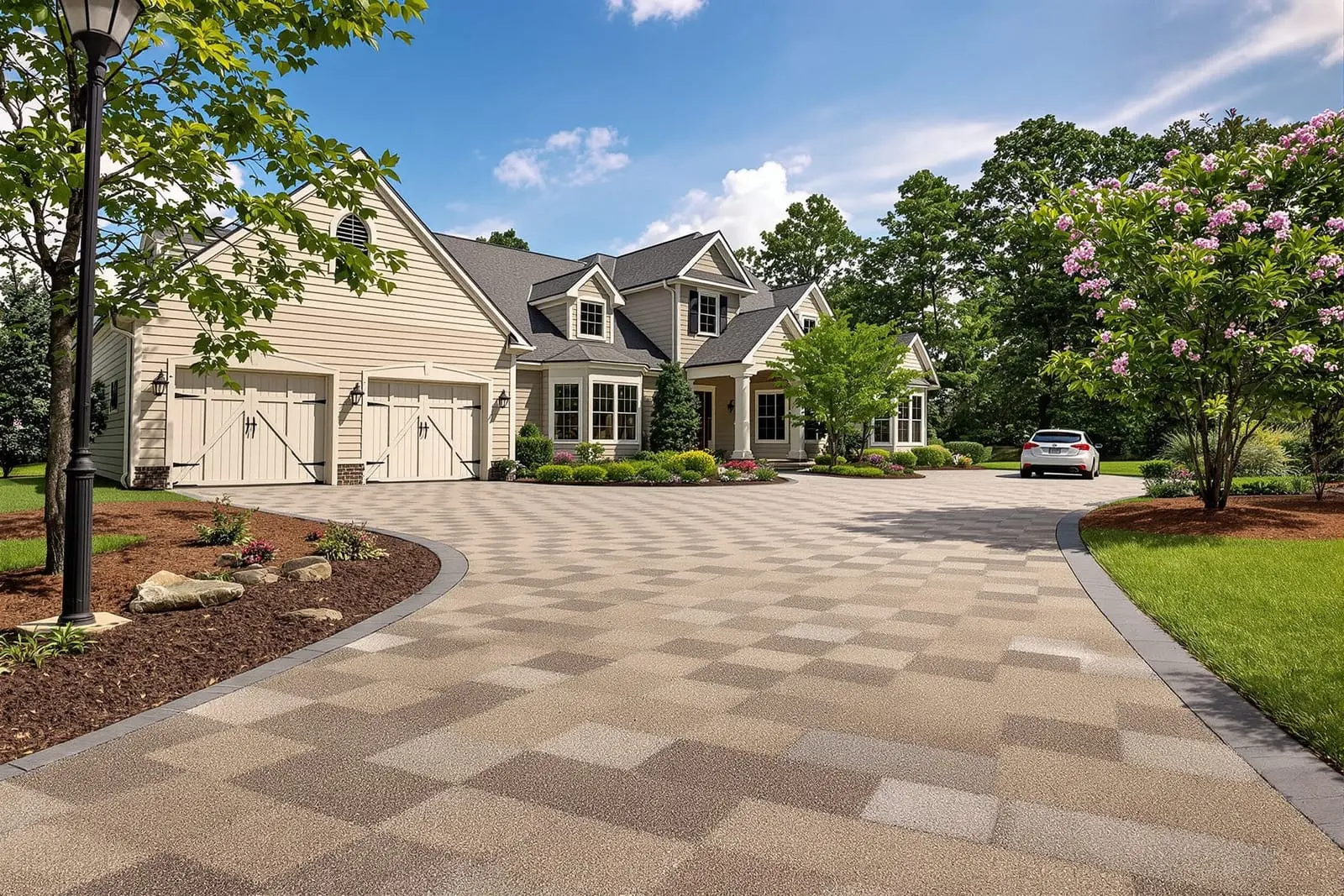
Improve access to your property with private road paving in Pittsburgh, PA. We build stable gravel bases and install durable asphalt surfaces for shared drives, long lanes, and rural roads. Our team sets proper drainage and crown so your private road holds up to daily traffic.
Prestige Asphalt Pittsburgh provides professional private road paving throughout Pittsburgh, PA and the surrounding area. Our licensed, insured crew delivers safe, clean, on-time work with a free estimate before anything begins. Call (412) 561-9577 or request your free quote.
Private Road Paving for Pittsburgh Properties
Private roads and shared lanes in and around Pittsburgh take a beating from steep hills, freeze-thaw cycles, and heavy vehicles. Prestige Asphalt Pittsburgh focuses on private road paving that is built specifically for our region, from rural access lanes in Allegheny and Washington counties to long driveways on city hillsides.
We work with HOAs, private communities, small businesses, farms, and individual homeowners who need reliable access in all four seasons. Whether your lane is a rutted gravel track, a crumbling chip-and-seal road, or an older asphalt surface with patchwork repairs, we design a paving solution that fits how the road is used and what your budget allows.
Instead of a one-size-fits-all approach, we walk your road with you, look at grades, drainage, existing base, and traffic patterns, then propose a pavement structure that can survive Pittsburgh winters. That way you are not just buying new blacktop, you are investing in a private road that stays drivable longer and costs less to maintain over time.
How We Evaluate Your Private Road or Lane
The first useful step is a site visit. A Prestige Asphalt Pittsburgh estimator meets you at the property and drives or walks the full length of your road or lane. We note soft spots, standing water, steep pitches, sharp turns, and narrow pinch points where bigger trucks may struggle.
We then evaluate the existing base. For gravel or dirt roads, we probe and sometimes excavate small test spots to see how thick and stable the underlying stone or soil is. For older asphalt, we look for signs of base failure such as alligator cracking, deep depressions, and edge breakup. This tells us whether we can resurface or need full-depth reconstruction.
Drainage is especially important in Western Pennsylvania. We check culverts, side ditches, and where runoff flows during heavy rains. On hillsides around Pittsburgh, poor drainage leads directly to potholes and heaving once the freeze-thaw cycle hits. Our recommendation often includes ditch cleaning, new culverts, or minor regrading so the new pavement does not sit in water.
Finally, we talk about how the road is actually used. Occasional passenger car traffic needs a different design than farm equipment, school buses, oil and gas trucks, or frequent delivery vehicles. This use pattern affects asphalt thickness, stone base depth, and whether we recommend reinforcing options.
Step-by-Step Private Road and Lane Paving Process
Once you approve a plan, Prestige Asphalt Pittsburgh follows a clear, practical process to build or restore your private road.
1) Clearing and preparation: We remove brush along edges where needed for equipment access and to improve drainage and sightlines. Old pavement that is beyond repair is milled off or excavated. Soft or organic material is removed so it does not cause future sinking.
2) Subgrade shaping: We shape and compact the underlying soil to establish proper crown or cross-slope, typically 2 percent, so water sheds off the road rather than pooling in the middle. On hills or switchbacks common in the Pittsburgh area, we may adjust slopes to balance traction, drainage, and safety.
3) Stone base installation: A well-compacted aggregate base is critical for private road paving. We usually install 4 to 8 inches of limestone, sometimes more for heavy truck traffic. The stone is placed in lifts and compacted with vibratory rollers to achieve a solid, uniform base that will not pump or rut.
4) Binder course paving: For roads that see anything beyond light car traffic, we typically install a base (binder) course of asphalt first, often 2 to 3 inches compacted. This coarser mix provides strength and load-carrying capacity.
5) Surface course paving: We follow with a finer top course, commonly 1.5 to 2 inches compacted. This layer provides a smoother ride, better appearance, and tighter surface that resists water penetration.
6) Edging and tie-ins: On private roads, edges are a common failure point. We take care to compact the edges, tie any new pavement smoothly into existing public streets, driveways, or parking areas, and may recommend stone shoulders to support the asphalt and improve drainage.
7) Final rolling and cleanup: After final compaction, we check for low spots, ponding, or surface defects. Then we clean up soil, stone piles, and any debris so the road is ready to use as soon as it cools.
Design Options and Materials for Your Private Road
Not every private road in Pittsburgh needs the same pavement structure. During planning, Prestige Asphalt Pittsburgh explains specific design options and what they mean for cost and longevity.
Thickness and layers: Light-use residential lanes may use a single asphalt layer over a strong stone base, while community access roads, farm lanes, and commercial drives usually benefit from a two-layer system (binder plus surface). Heavier traffic often justifies 6 to 8 inches of asphalt total.
Mix types: We select asphalt mixes based on use and budget. For example, we may use a stronger binder course where oil and gas or construction trucks come through, and a smoother surface mix for shared residential roads where comfort and appearance matter. On steep grades that Pittsburgh is known for, we avoid overly smooth mixes that can become slick in winter.
Drainage features: We can incorporate shallow swales, underdrains, or added culverts where existing ditches are not enough. In wooded or hillside areas around the city, we may recommend modest regrading on the uphill side to keep runoff from cutting across the road.
Access and width: For private lanes that must accommodate emergency vehicles or delivery trucks, we will discuss widening, passing areas, or turnout spots. Sometimes simply adding a well-compacted stone shoulder allows safer movement without the cost of full-width widening.
Future maintenance: If an HOA or property owner has a multi-year budget plan, we can design a road that starts with a strong base and binder, then schedule a surface course or seal coat in a later phase, spreading cost over time without sacrificing structure.
Pittsburgh Climate, Scheduling, and Maintenance Considerations
Our weather directly affects how and when private road paving should be done. Prestige Asphalt Pittsburgh typically schedules full paving projects from late spring through early fall when daytime temperatures consistently stay above 50 degrees and overnight lows are not dropping too far. This helps asphalt cool and cure correctly.
Freeze-thaw cycles, road salt, and plowing are hard on private roads in Western Pennsylvania. When we design a project, we consider how your lane is plowed, where snow is pushed, and whether salt or anti-skid is used. We may suggest stronger mixes or slightly different grades to prevent water and melt from sitting on the pavement.
For long-term performance, we usually recommend:
- Crack sealing within a couple of years as small cracks begin to form, to stop water infiltration.
- Sealcoating every few years for lighter-use residential lanes, especially where appearance matters. We time this for warmer, dry stretches.
- Regular ditch and culvert maintenance so stormwater has somewhere to go besides under your pavement.
By planning installation and maintenance around local climate patterns, we help private roads last longer and reduce the surprise costs that come with major failures.
What Affects Cost for Private Road Paving
Two roads of the same length can differ significantly in cost. Prestige Asphalt Pittsburgh is upfront about what drives pricing so you can make informed decisions.
Length and width: Obvious factors, but we also look at realistic width for your use. Sometimes we can keep costs manageable by paving a slightly narrower driving surface with well-built stone shoulders.
Base condition: A solid existing stone base can save considerable money, since we may only need minor repairs and new asphalt. If the road is mostly mud, organic soil, or very thin gravel, we will recommend deeper excavation and a thicker base to avoid constant rutting and potholing.
Access and terrain: Hillsides, tight turns, and limited access can increase labor and equipment time. Roads carved into Pittsburgh hills or wooded lots sometimes require smaller equipment or staging materials in multiple spots.
Traffic loading: Roads that carry heavy trucks need thicker asphalt and more stone, which adds material costs but avoids constant patching. Light, occasional car traffic allows a lighter section.
Drainage improvements: Cleaning existing ditches is relatively inexpensive, while installing new culverts, underdrain, or significant regrading adds to project cost but can be the difference between a road that lasts 5 years and one that lasts 15 or more.
We provide itemized proposals so you can see where your money is going and can prioritize must-do structural work versus optional upgrades.
Local experience matters when you are paving a private road across Western Pennsylvania terrain. Prestige Asphalt Pittsburgh has worked on hillside lanes in the city, long shared driveways in nearby suburbs, and farm and camp access roads in the surrounding counties. That variety helps us anticipate problems before they show up in your project.
We focus on communication. Before work starts, you will know when crews will arrive, how long access will be limited, and where vehicles should park. On shared roads, we can meet with multiple property owners or HOA boards to explain options in plain language and help the group decide on a realistic plan.
Our crews are used to working around existing homes, barns, and businesses. We pay attention to drainage patterns, septic areas, and underground utilities that can affect your road. When unexpected conditions appear, such as unsuitable soil or a failing culvert, we show you the issue and explain the options instead of just paving over a problem.
If you are considering private road paving anywhere in the Pittsburgh area, we are glad to walk the road with you, share our observations, and build a plan that fits your property, traffic, and budget. The goal is not just a new surface, but a safer, longer-lasting way in and out of your property.
“
Professional private road and lane paving, done right the first time, quality materials, honest pricing, and results that last.
Prestige Asphalt Pittsburgh
Private Road and Lane Paving Across Our Service Area